Within this guide you may learn about the instruction and preparation required to be a Real Estate Lawyer. You are able to learn about the expectations, job responsibilities and licensing requirements if this is the career for you.
What Can a Real Estate Lawyer Do?
A Real Estate Lawyer's main focus entails reviewing and preparing files, negotiating terms and requirements, and processing on the transport of names. They might be called upon by people or businesses that are not certain of property legislation and regulations on purchasing or selling property. When a violation of contract or a property fraud happens, Real Estate Lawyers can represent their clients in court. The work hours may be extended since they serve the many needs of their clientele.Real Estate Lawyers invest the majority of their time representing sellers and buyers in real estate transactions and providing services. These attorneys work long hours managing legal problems associated with zoning, name transfers and mortgages. Real Estate Attorneys are accountable to the legal aspects of property issues like land developments, purchases of land and asset transfers. They meet with customers and make sure that documentation complies with current real estate laws and regulations.
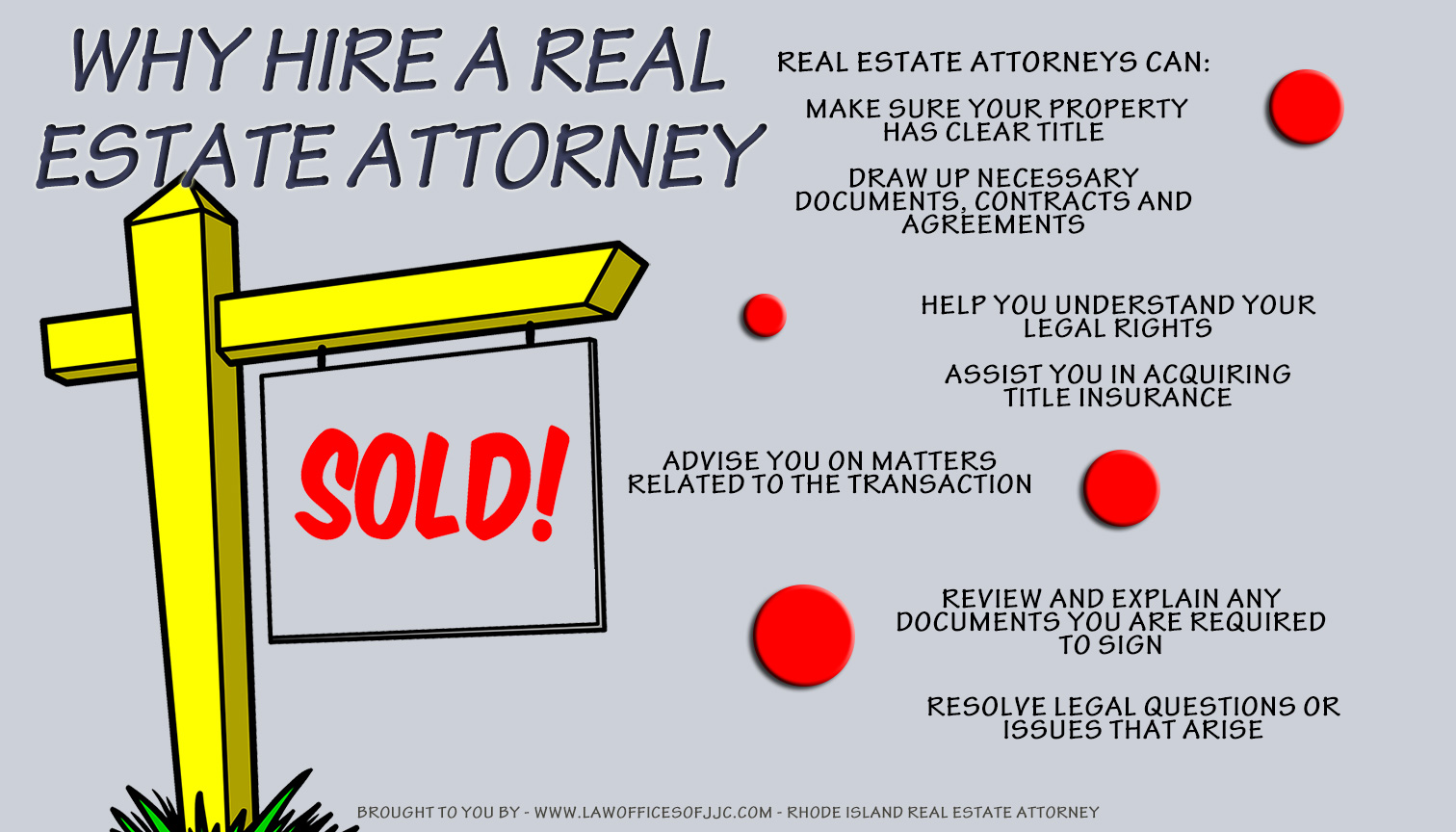
Real Estate Lawyers draft legal documents such as deeds, contracts, agreements, in addition to obtain required licenses and names. They are responsible for preparing necessary documentation together with the applicable authorities. Real Estate Lawyers also should make sure that their customers understand the legal consequences of the documents they're signing, and they know all of the conditions of the agreements.
They must always conform to the appropriate criteria and protocol set out in legislation. Some duties and responsibilities of Real Estate Lawyers comprise:
Legal Advice -- They also provide legal counsel on land management, zoning violations, restrictions and agreements on property, land taxation, and value quotes.
Negotiation -- They manage real estate disputes such as encroachment, trespassing, injuries, and specifying bounds and work towards resolving disputes.
Real Estate Lawyer Skills
Real Estate Lawyers ought to be at ease with conflict resolution, educated about legal language and ready to work long hours, particularly at the start of their careers. Negotiation skills are necessary for situations where customers are displeased. Additionally a Real Estate Lawyer ought to be an analytical thinker that will work through legal problems and supply solutions. Excellent verbal and written communication skills are crucial as you must efficiently and accurately communicate suggestions and propositions to customers, judges and other legal professionals. Since a attorney is intended to defend and maintain the ethics of the legal system is it's of extreme importance that all attorneys act with great personality, competence and sound judgements when dealing with client issues.Other crucial Real Estate Lawyer abilities include:
- High Amount of Organization
- Self-Motivation Skills
- Media Skills
- Collaboration
How Can You Become a Real Estate Lawyer
Training and Education
Not only are companies seeking Real Estate Attorneys using a high education, but they frequently need many years of real estate trade experience too. To be a Real Estate Lawyers one has to finish a Bachelor's degree, pass the Law School Admission Test, finish a 3-year graduate program in a law school accredited by the American Bar Association and pass the bar examination in the country where they will practice. Although no pre-law classes are given, classes in public speaking, analytics, logic and economics will prepare you well for law school. Law school students earn the Juris Doctor (J.D.) level that covers legal writing, constitutional law, civil processes and contracts. Real Estate Lawyers may also earn a Master of Laws (L.L.M.). Following graduation, continuing education may be required. If you can finish courses in fraud and ethics it would be a benefit as it proves that you're thinking about following the law and functioning under elevated standards of training.The Bureau of Labor Statistics says that attorneys who obtain lawful work experience while at law school make themselves more attractive to prospective employers. So while attending law school, begin applying for internships with different law firms to achieve the appropriate work experience essential. An individual needs to also benefit from networking with other lawyers and obtaining new skills and prestige by joining the American Bar Association's Real Property, Trust and Estate Law branch. Additionally, there are state property attorneys associations that you may combine. Membership in these organizations provide attorneys with tools to boost their abilities and new job and advancement opportunities can be obtained.
Real Estate Lawyers who are interested in commercial property frequently find employment in massive companies together with environmental attorneys and fulltime litigators. Some Real Estate Lawyers work for the authorities, in construction and zoning departments of municipalities and counties. Others work for businesses, lending or financial institutions, real estate development firms or name companies. Real Estate Lawyers using their particular practice concentrate on residential property transactions.
Finding Work
The U.S. Bureau of Labor Statistics has predicted that a 6% job growth for many attorneys from 2014-2024. The access to Real Estate Lawyer places can also be determined by the housing marketplace. Therefore despite the projected expansion, if the market is in recession and fewer property transactions happen, the requirement for these occupations will fall. Moving can open up more job opportunities but it will imply that one must pass the bar examination of some other state.An effective Real Estate Lawyer job hunt starts with crafting a high quality resume which highlights your skills and expertise. For advice on making a resume, have a peek at our library of Real Estate
Lawyer resume examples.
Hunting online for Real Estate Lawyer employment chances will precede a well-crafted resume. As you start looking for openings, make certain to leverage your professional community, such as individuals you met through an internship or even some of those law institutions you might have joined.A cover letter that expresses your interest in the position and highlights your qualifications and what you'll bring to the job will be vital if applying for employment. Should you want some cover letter inspiration, please have a look at our assortment of cover letter samples.
Insights from a Real Estate Lawyer
We talked to Brian J. Thompson, located in Chicago, who he's a Real Estate Lawyer and CPA, for an inside look at how to become a Real Estate Lawyer. Here is what he had to inform us.What's the Frequent career path for Real Estate Lawyer?
Very often property attorneys study company as an undergrad -- a background in finance or property fund may be useful. But, no specific undergrad major is needed to be a property attorneyWhat if someone consider before getting a Real Estate Lawyer?
Those contemplating getting a property attorney should consider if they like detail-oriented legal work and corresponding through email and telephone with realtors, mortgage lenders, buyers, sellers, additional lawyers, and title company workers. You also need to consider this region of the law is very cyclical and you'll encounter instances in your career which are extremely active or very slow.Which kind of man excels in this particular job?
You're most likely to excel as a property attorney if you're able to comprehend the legal procedure and you're capable of networking with realtors and mortgage lenders to come up with a referral base to new customers.Which are a few of the most crucial abilities for Real Estate Lawyer to possess?
The challenging skills necessary for success as a real estate lawyer vary somewhat depending upon which you represent, either (1) sellers or buyers of property or (2) programmers. A lawyer who represents buyers and sellers must comprehend the actual estate purchase process from contract to closing such as review reports, title insurance, the deed, bill of sale, affidavit of name, and the final announcement. A lawyer who represents developers must comprehend all those very same issues and a little corporate legislation as it pertains to the formalities of Limited Liability Companies and businesses. In terms of so-called soft skills, it's helpful to become a fantastic written/verbal communicator and possess an awareness of details and deadlines.What do you find to be the most rewarding part of becoming a Real Estate Lawyer?
Purchasing or selling property may be among the most stressful life events beside divorce or the death of a partner. I like creating the process go as smoothly as possible for the customer(s) and parties involved with the trade.Just How Much Can Real Estate Lawyers Get Paid?
though job growth might not be powerful as other businesses, reimbursement in this subject is significant. Real Estate Lawyers operating in a large businesses or becoming a spouse raises one's wages. According to information from the Bureau of Labor Statistics the median hourly wage for Real Estate Lawyers in 2015 was55.69. The lowest-paid Real Estate Lawyers earn less than $26.86 per hour whereas the highest-paid can make equal to or greater than $90.00 per hour. The bulleted list below will comprise Bureau of Labor Statistics information for the top 10 countries for median wage from greatest to lowest.